March 2, 2026

Structured Data Markup in SEO A Complete Guide for Google Rankings & Rich Snippets

Structured Data Markup in SEO: A Complete Guide for Google Rankings & Rich Snippets

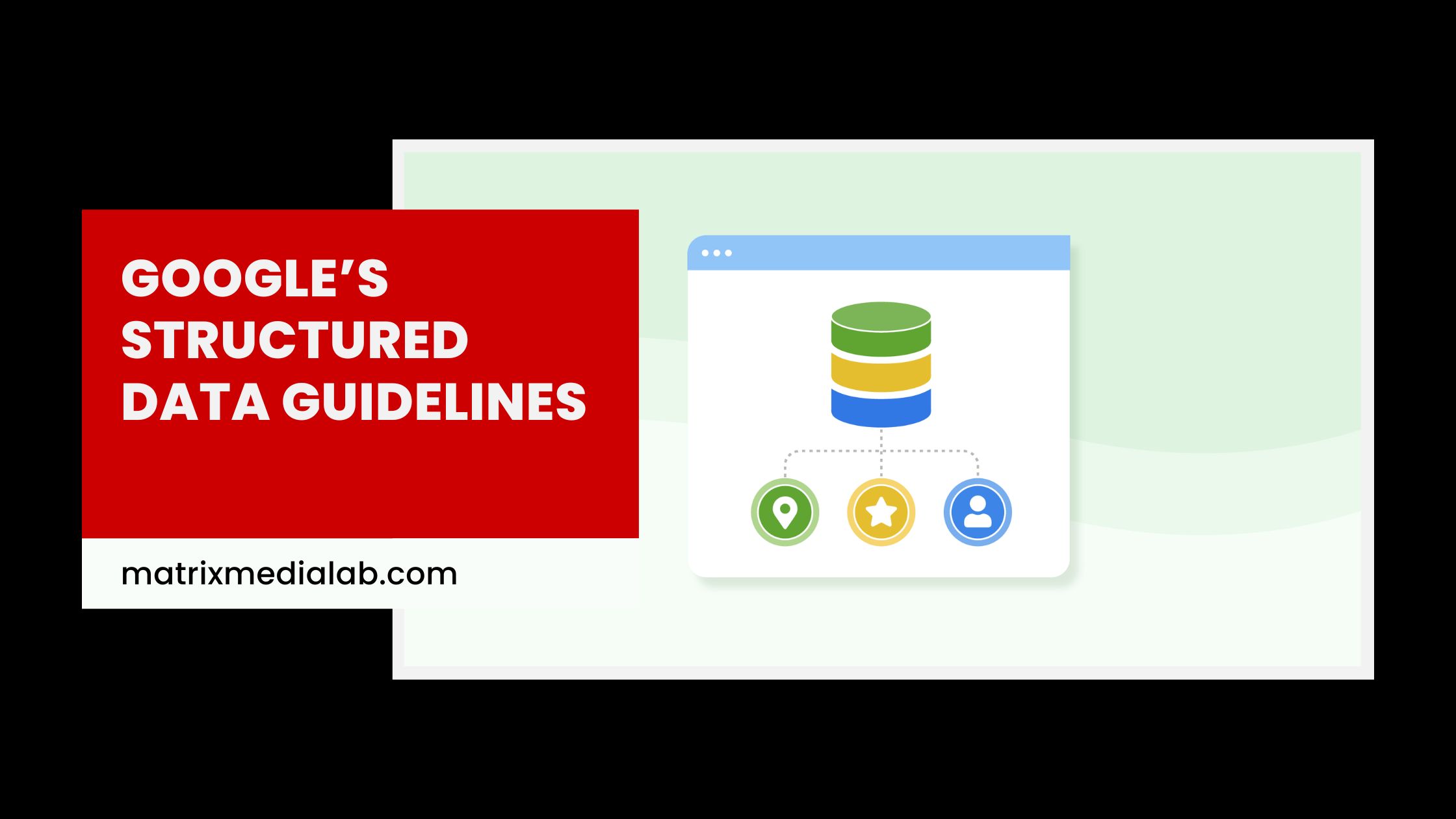
You would like to see your website top of Google search results. Adding Structured Data to your site helps achieve that. It provides Google with additional information about your content. Your site would become eligible for rich snippets with this information, increasing its number of clicks. Keep reading the blog to learn more about this in detail.     What Is Structured Data in SEO?   Many marketers ask, What is structured data markup in SEO? The answer is simple. It is a standard method of giving information to search engines. It displays the contents of your page in a language that Google understands. That will improve the visibility of your site when used wisely.   Significance of Structured Data Markup   Structured data markup adds meaning to your content. For example, a food recipe site would show ratings, cooking time, and ingredients on search results on Google. This increases interest and confidence. Google does not use structured data as a direct ranking factor. But it increases your visibility and traffic from more qualified visitors.   SEO Benefits and Schema Markup   Schema Markup SEO is a popular term because Schema.org provides the vocabulary for structured data. This aids Google in showing your pages in the form of rich results. You can emphasise articles, products, events or reviews. The use of schema induces effective communication between your site and search engines. At Matrix Media Lab, the team assists companies in growing through precision digital marketing. Their tailored approach will ensure that you achieve measured results and profitability over the long term.   User Experience And Rich Snippets   You may wonder about Rich Snippets SEO benefits. Rich snippets show ratings, prices, or FAQs in the search results. They render your listing attractive and more informative. This can typically enhance click-through rates over simple results. An increase in the number of clicks implies increased traffic and customers.   Selection of the Best Schema Markup   The Best schema markup for SEO rankings depends on your website type. In the case of e-commerce product schema is useful. For blogs, the article schema is good in blogs. Local business schema makes local businesses visible. Event schemas are useful for event pages. The right markup is more likely to get you rich snippets.   How to Add Structured Data   Adding structured data is not as complex as it seems. JSON-LD format is the most suggested one. You may opt to go through the Structured Data Markup Helper. Once the code is added, be sure to use the Rich Results Test in Google. Finally, monitor performance on the Search console. { “@context”: “https://schema.org/”, “@type”: “Recipe”, “name”: “Chocolate Cake”, “cookTime”: “PT45M”, “recipeIngredient”: [“2 cups flour”, “1 cup sugar”, “½ cup cocoa powder”] }   Why Structured Data Matters for the Future   Organised information assists search engines in classifying your information. It also optimises your site for voice and AI search. The search engine is converging towards conversational search. With structured data, your content becomes more retrievable. This will secure your SEO strategy in the future.   Conclusion   Structured data is not optional anymore. It is an essential component of increasing visibility and clicks. By understanding how to use it, you can get an improved ranking and participation. Begin using schema on your website and beat your rivals. Matrix Media Lab is your reliable digital marketing agency, turning data into your competitive edge. Their professional solutions provide transparency, trust, and expansion of your organisation.

Structured Data Markup in SEO: A Complete Guide for Google Rankings & Rich Snippets Read More »

How to Use ChatGPT for YouTube 2025 – 2026

How to Use ChatGPT for YouTube Script and SEO 2025 – 2026?

Creating content for YouTube isn’t just about hitting the record button anymore; it is about staying consistent and keeping up with an algorithm that changes faster than you can edit a thumbnail. If you’ve felt the pressure to post when you’re running on empty, you’re not alone. Many creators now use tools like ChatGPT for YouTube to fill the gaps, helping with brainstorming, writing, SEO, and more. The goal isn’t to replace you; it’s to support you so you can do more of what you love. Here is what you should know about using ChatGPT for YouTube. How to Use ChatGPT for YouTube Videos, Script and SEO You’ve probably stared at a blank content calendar, wondering what to post next. Using YouTube ChatGPT makes that part easier. Describe your niche, tone, and audience—whether you’re a beauty vlogger or tech reviewer—and it’ll give you topic ideas, video outlines, and even posting schedules. You’re still in charge, but now you’ve got a helper who never runs out of steam. Write Scripts That Sound Like You Writing is often the most challenging part. You want to sound natural, not robotic or rehearsed. With ChatGPT YouTube, you can gain great ideas. Feed ChatGPT your talking points, structure, or intro line—and it’ll build from there. You’ll still need to edit and adapt the tone, but it gives you a solid first draft you can shape to sound like your voice. Improve Your Visibility Without Guessing Getting views is a mix of skill and luck. Titles and descriptions matter, and so do tags. But you don’t have to guess anymore. Try using ChatGPT for YouTube to generate optimised metadata—relevant keywords, phrases that pull in clicks, and video tags that align with your topic. Mid-Video Promotions & Clarity As you build your audience, promotions become a key part of growth. If you’re serious about getting your channel seen, Matrix Media Lab can help amplify your reach. Their social media marketing services make sure your clips get noticed by the right viewers. Grow Your Community with Intent Engagement isn’t just likes and views—it’s a real conversation. You can use ChatGPT for YouTube to come up with calls to action, thoughtful comment prompts, or even pinned questions that invite people to reply. The more connections you build, the more your audience comes back—not just to watch, but to participate. Smarter Testing Without the Guesswork Are you not sure which thumbnail will pull more clicks? Do you need help picking between two title options? ChatGPT can generate alternatives for A/B testing. Then, you watch the metrics and decide what works best. Stay on Top of What’s Trending Trends change fast. With ChatGPT for YouTube, you can ask what’s popular in your niche—this week, this month, or even today. Based on search trends and viral content, it can suggest video ideas that align with your brand without feeling forced. You stay relevant without becoming reactive. Expand Your Reach With Accessibility Adding subtitles or captions used to be time-consuming. Now, you can get help drafting them—along with video summaries and translations—so your content reaches more viewers. Whether it’s making your content easier to follow or accessible in more countries, small efforts go far. Make Professional Connections Collabs are a growth hack, but reaching out feels awkward. ChatGPT can help you write clean, honest messages when you’re pitching creators. Whether you’re messaging or emailing, clear communication can get you the “yes” that moves your channel forward. Final Thoughts Making YouTube content is still challenging. But you don’t have to do it alone. Using ChatGPT for YouTube makes the grind more manageable—and more fun. You stay creative and keep your voice. Your content journey matters. And with tools like ChatGPT and support from Matrix Media Lab, you’ve got both flair and structure. The company understands content creators, and they work with you to turn your efforts into real results. Let them help you grow while you stay focused on making great videos.

How to Use ChatGPT for YouTube Script and SEO 2025 – 2026? Read More »

How to Use ChatGPT for SEO & Ranking in 2025 – 2026

How to Use ChatGPT for SEO & Ranking in 2025 – 2026?

In 2025, the content game feels more crowded than ever. Every brand is publishing, every marketer is optimising, and everyone wants to rank first. That pressure can feel overwhelming. Many of us have stared at a blinking cursor, wondering how to keep up. This is where tools like ChatGPT for SEO can bring clarity. It becomes a support system for marketers, writers, and entrepreneurs who are trying to do more with less when used thoughtfully. Here is how you should use ChatGPT for SEO. Start With What Your Audience Actually Needs Before thinking about keywords or page structure, it helps to remember who you’re speaking to. What do they want to know? What’s keeping them stuck? That’s where ChatGPT becomes surprisingly helpful. Instead of guessing what users are searching for, you can prompt it to list common questions or pain points around a topic. Create Ideas That Connect With Real People ChatGPT can help you generate article ideas once you know what your audience is thinking about. You might ask for a list of blog topics about a specific service or have the platform suggest article formats based on user intent. This is one of the places where SEO GPT stands out. Develop Content That’s Easy to Follow Content should be clear, and that’s why structure matters. You can ask ChatGPT to recommend subheadings that match the flow of your article or request transitions that help the reader stay engaged. If you are facing issues creating content that actually resonates, companies like Matrix Media Lab can help. The company allows brands to combine content expertise with the smart use of AI. Their SEO support ensures each word is meaningful to audiences. Make Every Section Count When a reader clicks through from Google, every sentence has to pull its weight. This includes meta descriptions, titles, image tags, and page summaries. ChatGPT can help with all of that. You can prompt it to generate several title tags under 60 characters, each one tailored around the tone of your article and a focus term like ChatGPT SEO. It saves time while keeping your content strategy intact. Refine Without Losing Your Voice You can prompt ChatGPT to suggest edits based on tone as well as clarity once your draft is written. Ask it to check for repetition or to identify sections that feel heavy. You might also request a keyword integration, like adding ChatGPT SEO strategy in a paragraph that already talks about planning. This type of review gives you a new perspective. Reuse Your Work Across Channels It takes effort to create good content. Therefore, it makes sense to extend its value. You can feed your blog post into ChatGPT and ask for a rewritten version ideal for a social media post. It can help preserve the message while adjusting the tone as well as the format for each platform. Your core ideas reach more people without you having to start over every time in this way. Stay Flexible With Changing SEO Trends Search algorithms do not stay the same for long. ChatGPT for SEO can help you make sense of what has changed and how it might affect your content when updates are released. While you should always check with trusted SEO tools, ChatGPT can offer insights that help you adapt sooner and more calmly. Final Thoughts Using ChatGPT for SEO is about having the support to create consistently without burning out. When used with care and intention, it becomes a genuine asset to your content process—one that lets you focus on ideas, not formatting. Matrix Media Lab specialises in SEO content that blends AI support with human insight. You can contact them to learn how their team can support your SEO goals with clarity and confidence.

How to Use ChatGPT for SEO & Ranking in 2025 – 2026? Read More »

AEO vs SEO Which is More Effective in 2025 – 2026

AEO vs SEO: Which is More Effective in 2025 – 2026?

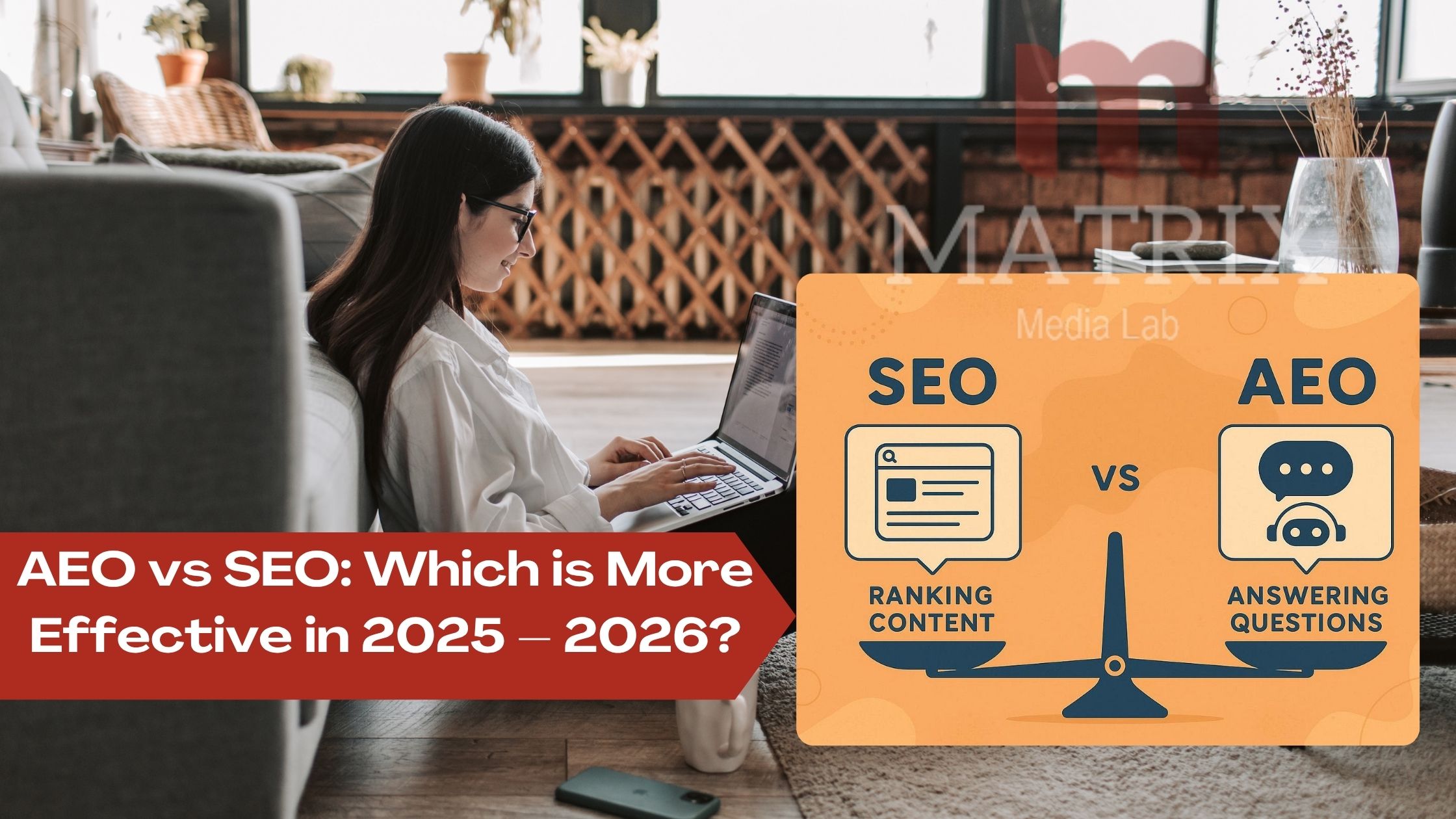
With search trends changing speedily, people no longer search the way they used to some five years ago. They ask full questions instead of typing short keywords. This massive change has brought a new focus on how websites get discovered online. Search engine optimisation is a conventional yet smart practice that is still popular. However, with the emergence of AEO or answer engine optimisation, trends are going in a different direction. With smart assistants, voice search, or featured snippets becoming more common, AEO is taking a front seat. Now the real question is which is more effective–AEO vs SEO? The answer depends on many things – user intent or how companies prepare their content. Outlining What SEO Is All About SEO improves website ranking. It includes – It is about making websites crawlable and trustworthy. SEO was the prime method used to attract traffic for years. But search engines now do more than list websites solely. They try to answer users’ questions – and that’s where AEO comes in. Introducing You to the Concept of AEO AEO is Answer Engine Optimisation. It aims to offer direct answers to user queries. It helps websites appear in featured snippets, voice search results, or answer boxes. People use devices like Alexa or Google Assistant to search. So they need speedy answers. AEO helps websites meet this need. It is more about intent, structure, and, most importantly, clarity. Which is better – AEO or SEO in 2025? Both are important, but their purpose is different. SEO brings visibility through search rankings, while AEO helps appear in direct answers. So, “Which is better, AEO or SEO in 2025?” It entirely depends on your objectives. SEO is key if the goal is long-term authority or traffic. AEO works better if your goal is instant visibility in voice or zero-click searches. Here are the tabulated differences – Aspect Search Engine Optimisation Answer Engine Optimisation Purpose Targets keywords & improves technical aspects of a website Focuses on answering user queries clearly & directly Strategies Broad strategy for higher search rankings or organic traffic Specific strategy to appear in snippets, voice search, answer boxes, etc. Style of Content Optimised with keywords, headings, backlinks, etc. Structured with clear answers to user intent Type of Search Result Appears in standard search listings Appears in featured snippets or spoken answers Main Objective Improve visibility across search engines Deliver instant answers to users Is AEO replacing SEO in 2026? This is a big concern for marketers. Is AEO replacing SEO in 2026? AEO is not here to completely replace SEO. Instead, it’s shaping how SEO needs to work. SEO still handles the foundation. AEO is an upgrade to fit today’s smart search systems. Google now cares more about context than just keywords. It wants to show results that answer the query completely. So, how does AEO affect Google rankings? Websites are more likely to get featured as snippets or in voice searches when they use AEO. This boosts their visibility while driving more traffic, even when the user doesn’t click the website. Want to improve visibility on search engines and answer platforms? Explore Matrix Media Lab’s services that drive real results. The Final Verdict between AEO & SEO The final call depends on business goals. For traffic, backlinks, and domain authority, SEO is effective. For smart results and quicker visibility, AEO performs better. So, wondering to yourself, “AEO vs SEO, which works better?” The real answer is both. They’re stronger when used together. Let Matrix Media Lab experts handle your SEO and AEO needs while you focus on growth. Stay ahead in 2025 and 2026.

AEO vs SEO: Which is More Effective in 2025 – 2026? Read More »

How to Use ChatGPT for Instagram Growth 2025 – 2026

How to Use ChatGPT for Instagram Growth 2025 – 2026

Instagram has become a top platform for businesses and creators to promote their services and grow. However, as the platform keeps changing its algorithms, it is becoming necessary to create content with smart tools. If you want to stay ahead, knowing how to use ChatGPT for Instagram can help you build a better brand. This blog discusses some key strategies to make the best of this AI tool. Why Use ChatGPT for Instagram in 2025? It is not easy to make enticing posts every day. You require new thoughts, eye-catching captions, and a solid brand voice. This is all made easier by ChatGPT. ChatGPT is a form of generative AI that uses NLP to create text code, content and other media formats with the right user prompts. When it comes to using ChatGPT for Instagram, it can provide you with ideas for captions, post structures, and even DM responses. The key to using it effectively is to provide the right prompt. The AI is trained on trends and is customised to target your objectives. Plan Better Content in Less Time ChatGPT can be requested to make your content calendar. In a few minutes, you get 30 ideas for a caption. Include such specifications as your tone, objectives, and the type of post in the prompt. The more you clearly explain, the better results you will get. Are you looking to get carousel post ideas or storytelling captions? ChatGPT provides them in a short time. Write Catchy Captions That Convert Captions are an enormous aspect of acquiring likes and comments. With ChatGPT for Instagram, you can create short, sharp captions that grab attention. You may add hooks, call-to-actions and emojis. For example, write a prompt: “Write a funny Instagram caption as a promotion of a new product XX. Our aesthetic and brand aesthetic is xx,” and you will be given fantastic recommendations. Create Reels Scripts in Seconds In 2025, video content is king, especially short-form videos like Reels. Punchy lines and creative twists should accompany these. ChatGPT can be used to come up with small but effective scripts in your niche. Simply state what your topic is, who your audience is and what you have to say. Whether it is fashion, tech, or food, ChatGPT will adjust. If you are looking for professional assistance regarding Instagram and social media marketing, you can avail yourself of the services of Matrix Media Lab. The agency assists customers in the development of high-performance content and Instagram campaigns that never fail to get you noticed and keep your followers on their toes. Optimise Hashtags and Keywords You may request ChatGPT to recommend niche-based hashtags. For example: ” Suggest 10 hashtags for Instagram for a Gen-Z clothing brand.” It assists you in increasing reach in a way that does not look spammy. Additionally, it is also possible to create caption-driven keywords that meet the existing SEO patterns on Instagram. Automate DMs and Responses With chat GPT for Instagram, you can generate DM templates. You can use them to greet new followers or contact brands. You can even make courteous answers to FAQs. This assists you in becoming consistent as you construct a community. Foster more Connectivity Use Instagram ChatGPT to create fun polls, quizzes, or questions for Stories. These concepts increase the level of interaction with the audience and establish a stronger brand connection. Analyse and Improve Your Strategy Using ChatGPT Instagram to summarise analytics helps you track what works. Inquire: “What should I post more on the basis of these stats?” It will point you in the right direction. You can learn the type of posts and the best time of day to post them. Final Thoughts Instagram is about speed, creativity, and strategy. Using ChatGPT for Instagram helps you to achieve more with less effort. While human touch is essential, AI can help you get a majority of the work done for you.Looking for effective social media marketing solutions? Matrix Media Lab offers comprehensive social media plans and digital marketing services backed by AI and human creativity. The team works hard to adapt to changing algorithms and trends to help you achieve optimal results on every platform.

How to Use ChatGPT for Instagram Growth 2025 – 2026 Read More »

 LLM Optimisation: How to Use this Best SEO Technique

The use of AI tools for effective SEO is becoming a widespread practice. These tools offer effective strategies and solutions to brands and businesses to stay ahead. The use of large language models, or LLMs, in SEO is one of the most effective tools in this regard. These AI systems help you create better content and improve visibility. But how to use it the right way? Let’s take a closer look at how to use LLM optimisation for optimal SEO outcomes. Understanding LLM-based SEO LLMs have large amounts of text data and understand language very well. They help you in writing content that attracts your readers and the search engines. LLMs are context-based and only centred only on keywords. When you use large language model optimisation, you are customising your content with these high-performing AL tools. This covers improved optimisation of keywords, clever meta tags and quality content in large quantities. Using LLM the Right Way The following sections provide an overview of how to optimise LLMs for better performance. Keyword Research Using LLMs LLMs assist you in determining long-tail keywords that can be easily ranked. They are usually more focused, and more serious searchers will use them. You can use AI-driven tools to analyse trends, user queries, and topics. This is where this LLM optimisation comes in. The model knows about your topic in detail and provides relevant ideas that are user-centred. This helps you develop a strategy that targets users more effectively. Develop Compelling Content at a Greater Rate AI can enhance the writing speed of blogs, social posts, and product descriptions. LLM maintains a natural tone and uses keywords smartly. This makes what you write helpful and search engine-friendly. LLMs are also useful to enhance existing content. They suggest revisions that can increase depth, clarity and relevance. This improves the value and ratings of your content with time. If you are confused about the correct techniques for optimising large language models, get the help of professionals. Top digital marketing agencies like Matrix Media Lab provide powerful SEO and social media services to make your business successful. Helps with SERP and Competitor Analysis With LLMs, you can analyse high-ranking pages and know their content. These can help you plan your own content better. You can find out what your competitors are lacking and cover them with your content. The greater the amount of data you provide the model, the better it understands what your audience wants. Improve Personalisation for Users The use of LLMs is impressive when it comes to personalising your content. They are able to recommend posts or products depending on user habits. When users are able to access the content easily, they tend to spend more time on your site. This increases your traffic and helps reduce bounce rates. Users are more likely to return if they feel the content is made just for them. Smarter Technical SEO LLMs improve your on-page SEO. They can write better meta descriptions and come up with better keyword placement. They can also help you use structured data, making your content easier to discover and read. Even site audits are simplified with the LLMs. They highlight technical problems and give remedies to resolve them. Concluding Words AI is not going anywhere, and neither is SEO. LLMs offer fast and efficient methods to enhance your content and improve rankings. Knowing what techniques improve LLM performance will help you stand out among the competition. If you are looking for effective SEO solutions, look no further than Matrix Media Lab, a renowned digital marketing agency, offering innovative SEO solutions. They combine knowledge with AI excellence through tools like LLM to develop plans that convert traffic to performance.

 LLM Optimisation: How to Use this Best SEO Technique Read More »

How to Do SEO for Tours and Travels Package Website in 2026

How to Do SEO for Tours and Travels Package Website in 2026

In 2026, the travel industry is more competitive than ever. With people relying on Google, ChatGPT, and voice search to find their next destination or package, every tour operator and travel agency needs a solid SEO strategy to stand out. Whether you’re promoting honeymoon packages, international trips, or local tours, understanding how to do SEO for tours and travels package website is the key to consistent leads and bookings.   Why SEO Matters for Travel Websites in 2026   Modern travelers research everything online — destinations, hotels, and experiences — before booking. Without strong SEO, even a beautiful travel website may remain invisible. SEO helps your travel and tour website appear when people search queries like “best Maldives package under 50k” or “family trip to Kashmir 2026.” This builds trust, visibility, and organic traffic that converts into real bookings.   Step-by-Step Guide: How to Do SEO for Tours and Travels Package Website in 2026   Do Keyword Research for Travel Intent Travel SEO begins with keyword research. Identify keywords that reflect user intent such as “Dubai tour package 2026”, “affordable honeymoon packages”, or “Mumbai to Goa tour deals.” Use tools like Google Keyword Planner or SEMrush to find trending search phrases and long-tail queries. Include seasonal keywords like “summer travel packages 2026” to capture timely demand.   2. Optimize On-Page Elements   Use SEO-friendly titles, meta descriptions, and headings. Each destination or package page should have a unique title and description with primary keywords such as “Thailand tour package from India” or “adventure trips in Himachal.” Include structured data for travel listings — this helps Google display rich snippets like ratings, prices, and duration.   3. Create Location-Focused Landing Pages   If your agency offers multiple destinations, build dedicated landing pages for each. For example: Goa Tour Packages from Mumbai Dubai Holiday Packages 2026 Europe Honeymoon Tours from IndiaLocal landing pages improve rankings for location-based searches and attract travelers from specific regions.   4. Publish Engaging Travel Blogs and Guides   Content marketing is the backbone of travel SEO. Create blogs like “Top 10 Hidden Beaches in Bali” or “How to Plan a Perfect Europe Tour on Budget.” These attract backlinks, social shares, and establish your site as an authority. Focus on long-form, detailed guides with beautiful visuals and genuine travel insights.   5. Optimize Images and Videos for SEO   Travel websites rely heavily on visuals. Compress images for speed, use descriptive file names, and add alt text like “Goa beach sunset tour” or “Singapore family vacation package.” Upload YouTube videos for popular destinations and embed them — video-rich pages rank higher and boost engagement.   6. Improve Website Speed and Mobile Usability   Most travel bookings now happen on mobile. Ensure your website loads fast, has responsive design, and smooth navigation. Google prioritizes mobile-first websites, so a slow or cluttered travel page can hurt your rankings and conversions.   7. Build Local and International Backlinks   Earn backlinks from reputable travel blogs, tourism boards, and local directories. Collaborate with travel influencers for guest posts or mentions. Quality backlinks boost domain authority, signaling to Google that your website is credible in the travel niche.   8. Leverage Google My Business and Maps SEO   If your tour company has a physical office, optimize your Google Business Profile. Add address, working hours, reviews, and tour photos. This helps your agency show up in “near me” searches like “travel agency near me” or “Dubai visa consultants in Mumbai.”   9. Focus on Voice Search and AI Optimization   In 2026, travelers use AI tools and voice assistants to plan trips. Optimize for conversational queries like “Which is the best tour package for Kashmir this year?” Use FAQ sections and natural language to help your content appear in ChatGPT, Gemini, and voice search results.   10. Track SEO Performance and Conversions   Use tools like Google Analytics, Search Console, and Ahrefs to monitor traffic, top-performing destinations, and conversion rates. Analyze which package pages generate the most inquiries and continuously optimize your underperforming ones.   Benefits of SEO for Tours and Travels Websites in 2026   Higher visibility for tour packages and destinations Increased organic bookings without paid ads Stronger brand credibility through search rankings Better user experience and mobile performance Long-term growth with consistent leads   Future of Travel SEO in 2026 and Beyond   AI and personalization will shape the future of travel search. Search engines and chatbots will recommend tour agencies based on reviews, location, and trustworthiness. Businesses that focus on quality content, local SEO, and genuine traveler engagement will dominate this new landscape.   Conclusion   Mastering SEO for tours and travels package websites in 2026 isn’t just about ranking — it’s about inspiring travelers to take action. With the right keywords, engaging content, and technical optimization, your travel brand can rise above competitors and attract thousands of organic leads. If you’re ready to take your travel business to the next level, Matrix Media Lab offers expert travel SEO services designed to boost your visibility, build trust, and drive consistent bookings all year round.  

How to Do SEO for Tours and Travels Package Website in 2026 Read More »

How to Optimise Content for AI Overviews 2025 – 2026

How to Optimise Content for AI Overviews 2025 – 2026

AI Overviews have transformed the market of SEO as the way people conduct online searches changes. These reviews appear on the first page of the Google search and provide users with concise information about a source of trustful knowledge. Get your content on this platform and you have won visibility. How do you get there? This blog discusses the best SEO techniques for AI Overviews 2025 and 2026. A Quick Understanding of What AI Overviews Are All About AI Overviews are Google’s way of giving instant answers. They bring out important points from various websites and present them in a summarised manner. This spares the users the need to keep on clicking a series of pages. Therefore, your content strategy for AI-powered search results should focus on one thing – precision.   Content Optimisation Strategies for AI Overviews The following sections overview of key strategies you can follow for optimal AI Overview content optimisation.  Identify the Intent of the User You must understand what people are looking for. Is it a query, research, or an intent to purchase? Your content should align with their goals. The clearer you match the intent of the user, the more chances that Google will select your content in an overview. Make Each Sentence Straight and Clear The next step in how to optimise content for Google AI Overviews depends on the sentences and words you use. Bullets enhance browsability and the possibility of having a higher ranking. Follow Structured Layouts that Guide AI Organise your content properly by using H2 and H3 titles. Make each section begin with a pertinent question and respond to it with a concise answer. This mirrors the structure Google prefers. It enhances easier reading as well. A decent structure can make or break your possibility of featuring in AI Overviews. Incorporate Data, Snippets and Keywords Properly Do not go overboard with keywords. Use one primary phrase naturally in the content. Answer frequently asked questions in brief. Your goal should be 40-60 words per question. Make them close to the top of the section. Use schema markups like FAQs or How-To formats. This signals to AI that your content is valuable. Use NLP to Give AI the Context It Needs NLP optimisation for AI search implies that what you write has to resemble human flow. Include contextual words. Use related words, results, overviews, or summaries. That will assist the AI to know the contents of your page. If it seems too confusing, it is best to take the help of professionals. Reliable digital marketing agencies like Matrix Media Lab develop digital solutions and they cause actual engagement to your brand. The team uses data and research to construct content that works. Refresh Old Posts to Stay Ahead It is more important than ever to have the latest content. AI Overviews do not like old-fashioned information. Therefore, re-run your most successful articles after every 6-12 months. Revise statistics, verify external references and rewrite old examples. It takes a small update to make you visible. Prevent Frequent SEO Errors Avoid SEO mistakes such as: Final Thoughts Ranking in Google AI Overviews 2026 is more than the keywords. It’s about intent, structure, clarity and value. With such an approach, the content you make will be automated and AI-friendly. The key is to stay relevant and user-focused. If you are looking for high-quality and efficient digital marketing solutions, Matrix Media Lab offers a comprehensive range of services tailored to your business. Whether it’s SEO or content strategy, the agency brings expertise that turns clicks into clients.

How to Optimise Content for AI Overviews 2025 – 2026 Read More »

Why SEO is a Lifeline for Businesses When Google & Meta Ads Are Disapproved

Why SEO is a Lifeline for Businesses When Google & Meta Ads Are Disapproved

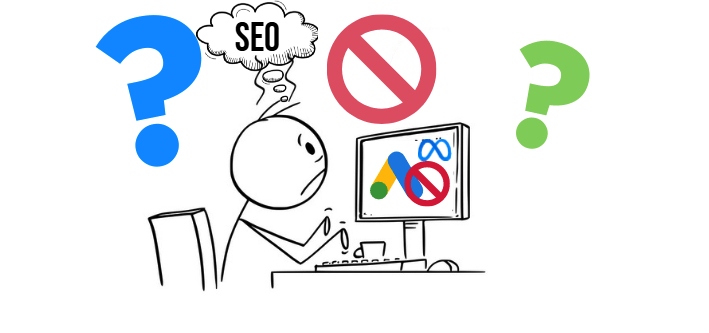
When your paid ads hit a wall of disapproval on Google or Meta, SEO doesn’t just step in—it takes the lead in driving long-term traffic, trust, and conversions. For many businesses, paid advertising is the fuel that powers visibility, leads, and revenue. So, when your Google or Meta ads are suddenly disapproved, the impact can feel like slamming into a brick wall. Whether it’s a surprise policy change, a misunderstanding around ad content, or even a full account ban, ad disapprovals are not just frustrating—they’re costly. But here’s the good news: you don’t have to rely solely on paid ads to reach your audience. SEO for disapproved ads is more than just a backup plan—it’s a long-term strategy that helps you build organic traffic after ad disapproval, ensuring that your visibility doesn’t disappear when your ads do. Why Ads Get Disapproved on Google and Meta Before diving into solutions, it’s important to understand the problem. Both Google and Meta have strict and ever-evolving advertising policies. Here are some of the most common reasons for disapprovals: Even well-intentioned businesses can find themselves caught in these filters. Worse, appeals and reviews can take days or weeks, halting all momentum. That’s where SEO becomes invaluable. SEO: The Organic Growth Engine You Control Unlike paid ads that depend on platform approval, Search Engine Optimization is owned media. You set the rules, you control the pace, and you build value over time. That’s why “Meta ads not approved SEO strategy” is a growing search term—because more businesses are realizing the power of organic reach. With SEO, you don’t need to worry about sudden disapprovals or changing ad policies. As long as you’re providing valuable content and a good user experience, Google rewards your effort with better rankings and visibility. How SEO Helps Businesses Thrive Without Paid Ads When your ad accounts are restricted, SEO becomes your digital lifeline—and here’s how: Real-World Example: From Ad Bans to Organic Wins Let’s take the case of a wellness brand whose Facebook ad account was shut down without warning due to a flagged ingredient—even though the product was legal and compliant. With no immediate appeal solution, they pivoted to SEO. They created blog content around their ingredients, targeted health-related queries, and optimized their product pages. Within 6 months, their organic traffic grew by 300%, and they reached the same revenue levels they had with ads—without spending a rupee on media buying. SEO Tips for Clients Facing Ad Disapprovals If you’re stuck in review loops or facing rejections, here’s how to move forward with SEO: Final Thoughts: Ad disapprovals can be a roadblock—but they don’t have to be the end of the road. With a smart, strategic approach to SEO, you can reclaim visibility, drive leads, and build lasting online authority—without relying on paid ads. Call to ActionDon’t let ad restrictions limit your growth. Start investing in SEO today and build a marketing engine that no policy can pause. Contact Matrix Media Lab now for a free consultation.

Why SEO is a Lifeline for Businesses When Google & Meta Ads Are Disapproved Read More »

Why Small Teams Often Achieve More Than Larger Ones

It’s not just about efficiency—it’s about how our brains are wired. 🧠 Dunbar’s Number suggests we can only maintain deep relationships with 5-15 people. Beyond that, communication starts breaking down. Why Smaller Teams Work Better 🔹 Cognitive Overload: As teams grow, so does complexity. Our brains struggle to manage too many connections effectively. 🔹 Stronger Trust & Collaboration: Small teams build deeper trust and empathy, which fuels better teamwork and faster execution. 🔹 Less Information Overload: Large teams generate more noise, making it harder to process critical information and make quick decisions. 🔹 Emotional Safety: In smaller groups, people feel more comfortable sharing ideas, reducing social anxiety and encouraging innovation. How This Drives Success at Matrix Media Lab “At Matrix Media Lab, we deliberately keep our client partnerships limited and our teams small because we’ve found this to be the most effective way to drive results. A focused, deeply engaged team outperforms a large, fragmented one every time.” – Amber, Founder of Matrix Media Lab By working with fewer clients, we build stronger relationships, understand business needs more intimately, and deliver high-impact strategies without distractions. The science is clear: If you want better trust, speed, and outcomes—keep it small. #DigitalMarketingAgency #MarketingStrategy #AgencyLife #CreativeLeadership #MatrixMediaLab

Why Small Teams Often Achieve More Than Larger Ones Read More »